Emergency rubbish removal options when lifts fail in Temple
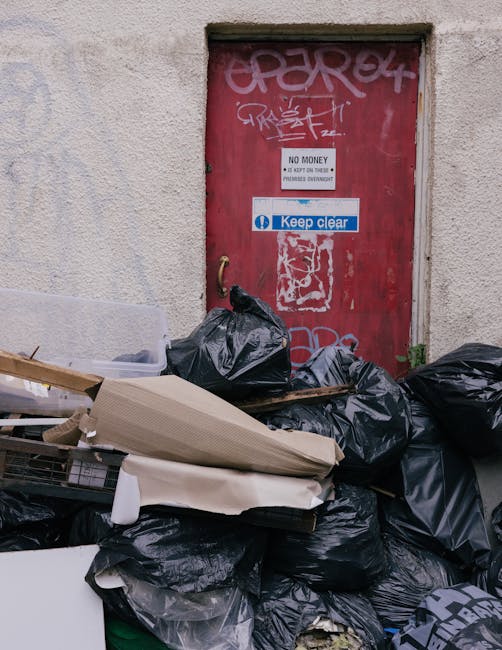
If you live or work in Temple and the lift suddenly stops, rubbish removal can go from mildly annoying to an all-day headache very quickly. Bags pile up. Old furniture sits in the hallway. A fridge or broken desk becomes a real obstacle instead of just clutter. That is exactly where Emergency rubbish removal options when lifts fail in Temple come in: practical, same-day or rapid-response ways to clear waste without relying on the lift at all.
This guide explains what actually works, what to avoid, and how to choose the safest option when access is difficult. You will also find a clear step-by-step plan, a comparison of methods, and a realistic checklist you can use straight away. No fluff. Just the sort of advice that helps when the corridor is already cramped and someone is asking, rather urgently, where the bags are going.
- Why this situation matters
- How emergency rubbish removal works
- Key benefits and practical advantages
- Who this is for and when it makes sense
- Step-by-step guidance
- Expert tips for better results
- Common mistakes to avoid
- Tools, resources and recommendations
- Law, compliance, standards and best practice
- Options, methods, or comparison table
- Case study or real-world example
- Practical checklist
- Conclusion
- Frequently asked questions
Why Emergency rubbish removal options when lifts fail in Temple Matters
Lift failures are inconvenient at the best of times. In a Temple building, though, they can affect more than comfort. They can block access routes, create trip hazards, delay move-outs, and make a simple clearance job much more physical than planned. If waste is already bagged or stacked, every extra hour makes the space feel tighter and more stressful.
That matters because rubbish is not just "stuff to get rid of". In the wrong place, it becomes a safety issue. Heavy items left on stairs can injure someone carrying them. Loose debris can spill into hallways. Food waste can smell. Wet cardboard can leak across shared areas. To be fair, nobody wants to explain that to a managing agent or neighbour when the hallway already looks like a warehouse.
Temple also brings its own practical pressures. Access can be narrow. Buildings can be busy. Loading zones may be limited. If a lift is out of service, you need a clearance plan that fits the building, not just the bin schedule.
For larger or mixed waste jobs, it can also help to understand the broader service options available, such as waste removal and related clearance services. That makes it easier to choose the right response rather than forcing everything into one approach.
How Emergency rubbish removal options when lifts fail in Temple Works
The basic idea is simple: the waste has to leave the building safely even though the lift is unavailable. In practice, that usually means a crew assesses the site, plans the route, and removes items via stairs, external access, or a combination of methods. The key is adapting the method to the building rather than trying to make the building adapt to the waste.
A typical emergency clearance starts with a quick assessment. What needs to go? How heavy is it? Are there fragile surfaces, narrow landings, or fire doors to protect? Is the rubbish general household waste, old furniture, building debris, or something more specialised? Those questions shape everything else.
Then comes sorting and preparation. Bags are sealed. Sharp items are boxed. Large items are assessed for dismantling. If there are bulky pieces such as wardrobes, sofas, or mattresses, it is often safer to reduce them into manageable sections before moving them downstairs. Services like furniture disposal and mattress and sofa disposal are especially useful here because bulky items rarely behave nicely in stairwells. Honestly, they never do.
Finally, the team removes the waste using the safest available route. That might be internal stairs, a service entrance, a ground-floor carry-out point, or a staged collection plan. If the load includes appliances, separate handling may be needed; for example, fridge and appliance removal is usually better dealt with as a specialist item rather than as ordinary rubbish.
When a job is urgent, speed matters, but method matters more. A rushed clearance is only useful if the building is still intact at the end of it.
Key Benefits and Practical Advantages
The biggest benefit is obvious: you do not have to wait for the lift to be fixed before dealing with the mess. But there are several smaller advantages that are easy to miss until you are in the middle of the problem.
- Reduced disruption: the clearance can happen while the building continues to function around you.
- Less storage pressure: rubbish does not have to sit in corridors, balconies, or spare rooms for days.
- Safer handling: trained crews know how to move awkward or heavy items down stairs without making a bad situation worse.
- Faster turnaround: useful for tenants moving out, landlords preparing a property, or businesses needing the space back quickly.
- Better presentation: shared spaces stay cleaner, which helps with neighbours, agents, and building managers.
There is also a peace-of-mind benefit that people underestimate. If the lift is out and you are staring at five bags of mixed rubbish, the task feels strangely bigger than it is. Having a clear plan cuts that mental noise right down.
For mixed household projects, a broader service such as home clearance can be a good fit. For larger or more full-property jobs, flat clearance or house clearance may be more appropriate, especially where the lift outage affects multiple rooms.
Who This Is For and When It Makes Sense
This type of emergency service is not only for landlords or building managers. In real life, it helps a wide range of people.
- Tenants who are moving out and need waste gone before checkout or inventory.
- Landlords dealing with abandoned items, post-tenancy clutter, or a quick turnaround between lets.
- Property managers responsible for keeping communal areas clear and safe.
- Businesses that need office rubbish removed without making staff carry loads up and down stairs all day.
- Renovation teams with builders' waste that cannot wait for lift repairs.
- Residents with bulky items such as sofas, beds, or appliances that are simply too awkward to leave sitting around.
It makes sense when the waste is creating a practical problem now, not "sometime this week". If the lift outage is likely to last only a short time and the waste is minimal, you may be able to hold off. But if the hallway is becoming obstructed or the items are blocking access, waiting can create more trouble than it saves.
Some situations are especially time-sensitive. End-of-tenancy deadlines, building inspections, last-minute deliveries, or a damaged appliance that is leaking can all turn a lift fault into an urgent clearance issue. That is where a calm, organised response matters most.
Step-by-Step Guidance
If you need to act quickly, use this simple approach. It keeps the job manageable and reduces the chance of mistakes.
- Assess the waste type. Separate general rubbish from furniture, electrical items, sharp objects, and anything potentially hazardous.
- Check access routes. Note the stair width, landings, fire doors, and any areas that could be damaged during removal.
- Clear a staging area. Make space near the exit so bags and items can be moved in batches rather than cluttering the hallway.
- Sort and secure items. Tie bags, tape loose lids, wrap sharp edges, and dismantle bulky furniture where possible.
- Identify specialist waste. Appliances, damaged fridges, mattresses, confidential papers, or contaminated items may need separate handling.
- Book the right service level. If the load is heavy or urgent, choose a team that can do a stair carry, same-day collection, or a full clearance.
- Confirm the building rules. Let the porter, concierge, or managing agent know if necessary, especially in shared properties.
- Keep the route open. Move bikes, mats, and loose items away from the path. It sounds obvious, but in a rush these things get forgotten.
- Do a final sweep. Check for small debris, packaging, screws, and anything left behind in corners or lift lobbies.
If you are dealing with a business property, the same process applies, but the urgency is often higher because staff productivity and client-facing areas are affected. In those cases, office clearance or business waste removal can offer a more structured way forward.
A practical note: if you can safely reduce the volume before collection, do it. Flatten boxes. Empty containers. Separate recyclables. It saves time, and sometimes a little money too.
Expert Tips for Better Results
In our experience, the smoothest emergency clearances are the ones where the site is prepared before the crew arrives. Not perfectly, just sensibly. A few small actions make a big difference.
- Photograph the items first if you need approval from a landlord, insurer, or managing agent.
- Keep stairwells clear of loose bags so people are not stepping around them while carrying loads.
- Place the heaviest items closest to the exit if access is tight and the lift is out.
- Separate anything damp or food-soiled to avoid cross-contamination with clean recyclables.
- Label special items such as confidential paperwork or electrical waste so they are not mixed in by accident.
- Ask about insurance and safety procedures before work begins. A reputable team should be able to explain how they protect floors, walls, and shared spaces.
If you expect repeat clearances, perhaps during a refurbishment or tenancy turnaround, it may be worth linking the emergency job to a more planned service such as builders waste clearance or loft clearance. That way, you are not just solving the immediate problem; you are reducing the next one too.
One small but useful habit: keep a spare roll of bin bags and parcel tape in the flat or office. It is hardly glamorous, yet it saves time when something suddenly needs packing down at 8:15 on a wet Tuesday morning.
Common Mistakes to Avoid
Most problems in urgent rubbish removal come from trying to move too quickly without enough thought. Fair enough, stress does that. But a few mistakes are so common they are worth calling out plainly.
- Forcing oversized items down the stairs. That is where damage and injury start.
- Mixing waste types together. General rubbish, electrical items, and restricted materials often need different handling.
- Blocking the escape route. Stairwells and landings should remain passable, especially in residential buildings.
- Ignoring building rules. Shared properties can have access windows, loading restrictions, or protected surfaces.
- Leaving hazardous waste in a pile. This can become a health and safety issue very quickly.
- Booking only for the cheapest price without checking what is included. Low prices can be misleading if they do not cover stairs, bulky items, or urgent timing.
There is also the "I'll just carry it myself" trap. Sometimes that is fine for a couple of light bags. But once you get to a sofa, fridge, or a stack of damp boxes, the risks climb fast. No one wants a pulled back just because the lift chose a dramatic morning to fail.
If there is any uncertainty about unusual waste, do not guess. A specialist service such as hazardous waste disposal is the safer route where needed, and it avoids the kind of mistake that is expensive to undo later.
Tools, Resources and Recommendations
You do not need a van full of equipment to manage an emergency clearance, but the right tools make the job safer and cleaner.
- Strong bin bags or rubble sacks for mixed lightweight waste and broken-down cardboard.
- Gloves to protect hands from splinters, grime, and sharp edges.
- Packaging tape for sealing bags and securing loose covers.
- Sturdy sacks or boxes for books, files, and smaller loose items.
- Furniture blankets or wraps to protect walls, bannisters, and item surfaces during movement.
- A torch or phone light for dim stairwells and corners.
- Markers or labels for sorting items into keep, recycle, remove, and specialist disposal piles.
From a service planning perspective, it helps to know which items need special handling before the crew arrives. That includes appliances, sofas, mattresses, and confidential materials. If you are clearing a room full of paperwork or archived files, confidential shredding may be a better fit than general rubbish removal.
For household furniture that is still in decent condition but no longer needed, a focused route like furniture clearance can keep the job tidy and straightforward. The same goes for garden or storage areas if the lift failure has pushed you to tackle other spaces at the same time; in that case, garage clearance or garden clearance may be useful follow-on options.
Law, Compliance, Standards, or Best Practice
For rubbish removal in the UK, the main point is simple: waste should be handled responsibly, moved safely, and taken to the right destination. In practice, that means using a service that follows sensible health and safety methods, keeps records where needed, and treats different waste streams properly.
If your waste includes electrical items, bulky household goods, construction debris, confidential papers, or anything that could be classed as hazardous, do not treat it all the same. Separation matters. It affects safety, recycling, and how the waste is processed afterwards.
In shared buildings, best practice also means keeping communal access clear. That covers stairways, corridors, fire exits, and entrances. If lift failure forces a stair-based collection, the route should remain safe for residents and staff, with loads moved in a controlled way. That is basic common sense, really, but it is worth saying because urgency can make people cut corners.
Good operators should also be able to explain their approach to insurance and safety and their general operational standards. If you are unsure, ask. A straightforward answer is usually a good sign. If the answer is vague, that is a sign too.
For businesses, waste duties are more sensitive because records, contracts, and duty-of-care expectations may matter. In those situations, using a service designed for commercial settings, such as business waste removal, can help keep things orderly and defensible.
Options, Methods, or Comparison Table
When the lift fails, you usually have a few routes open to you. The best one depends on volume, urgency, item type, and how awkward the access is.
| Option | Best for | Pros | Watch out for |
|---|---|---|---|
| Carry down the stairs yourself | Small amounts of light rubbish | Fast for a few bags; no waiting | Risk of injury, damage, and blocked stairwells |
| Arrange a same-day clearance crew | Urgent mixed waste, bulky items, short deadlines | Safer handling, quicker completion, less stress | Check access details and what is included |
| Split the job into smaller collections | Large clearances where the lift may be fixed soon | More manageable, can reduce disruption | May take longer overall |
| Use specialist item removal | Appliances, mattresses, sofas, confidential waste, or hazardous materials | Proper handling and disposal route | Needs correct categorisation in advance |
For planned work, you may also want to compare emergency removal with a more ordinary quote process. Checking pricing and quotes before a crisis happens gives you a better sense of what a fair job looks like. That is one of those boring little preparations that suddenly feels genius when things go wrong.
Case Study or Real-World Example
Imagine a second-floor flat in Temple with a lift that has stopped working late on a Friday afternoon. The tenant is due to move out on Monday, and there are two dismantled shelving units, several bags of household rubbish, a mattress, and a broken office chair in the hallway. Not ideal. Not even close.
The first step is to sort the waste by type. The general rubbish is bagged and sealed. The mattress is separated because it needs its own route. The shelving is checked for sharp fixings and broken down further where needed. The chair is bundled with other furniture items for safer carrying. A stair route is cleared, and the most awkward items are moved last when the team is warmed up and the path is clear.
The important thing here is that the job is not just "remove everything quickly". It is "remove everything quickly without creating a new problem". That means protecting the walls on the stairwell, keeping the corridor usable, and making sure the lift outage does not turn into complaints from neighbours or the building manager.
In a slightly different version of the same scenario, if the property contains builder debris from a refurbishment, the better route may be a mixed service that handles heavier waste and rubble properly. That is where a more specialist option such as builders waste clearance becomes more appropriate than a generic household collection.
Real-world clearances like this are often messy for the first 20 minutes, then surprisingly calm once the plan is in motion. Funny how that works.
Practical Checklist
Use this checklist before the removal team arrives.
- Identify what needs removing and what should stay.
- Separate general rubbish from furniture, appliances, and specialist waste.
- Check stair access, landings, and any tight corners.
- Move loose items away from the route.
- Protect floors if possible, especially in shared areas.
- Seal bags and box small sharp items.
- Dismantle bulky furniture where safe to do so.
- Keep children, pets, and visitors away from the working area.
- Tell the building manager or concierge if needed.
- Confirm whether any items need special handling.
- Have payment or booking details ready so the collection can proceed without delay.
If you are unsure about what can be loaded together, it is worth checking item-specific guidance before the crew arrives. For broader planning, what can go in a skip can also be a helpful reference point when you are comparing disposal methods, even if you are not actually hiring a skip.
Get a free quote today and see how much you can save.
Conclusion
When a lift fails, rubbish removal becomes more than a convenience issue. It becomes a timing issue, a safety issue, and sometimes a neighbour-relations issue too. The good news is that there are sensible emergency rubbish removal options in Temple that do not depend on the lift working at all.
The best results come from simple, steady decisions: sort the waste, protect the route, choose the right type of collection, and avoid forcing items through spaces they clearly do not fit. If the job includes bulky furniture, appliances, confidential material, or larger household loads, use a service that matches the waste rather than treating everything as one big pile.
And if you are facing the sort of morning where the hallway is full, the lift is out, and someone is calling to ask whether the sofa has been moved yet, take a breath. There is a way through it. One sensible step at a time.
For more about the team behind these services, you can also read about us or use the contact us page if you need to ask a question before booking.
Frequently Asked Questions
What are the fastest emergency rubbish removal options when lifts fail in Temple?
The fastest options are usually same-day stair carry removal, a scheduled rapid-response clearance crew, or a split collection if the load is large. The best choice depends on how much waste there is and whether it includes bulky items.
Can rubbish still be removed safely without a lift?
Yes, provided the route is planned properly and the items are suitable for stair carry or external access. Safe handling matters more than speed, especially in narrow hallways or shared buildings.
Is it better to wait for the lift repair or remove the waste immediately?
If the waste is minor and not blocking anything, waiting may be fine. If it is creating hazards, bad smells, access issues, or a move-out deadline problem, removal usually makes more sense straight away.
What kinds of waste are hardest to remove when a lift breaks down?
Bulky furniture, mattresses, fridges, heavy mixed bags, builders' rubble, and awkward office items are usually the hardest. They are large, weighty, and more likely to damage stairwells if handled badly.
Do I need a specialist service for appliances or old fridges?
Usually yes, or at least a team that can confirm appliance handling. Fridges and similar items often need separate treatment, so it is worth using a dedicated fridge and appliance removal option where appropriate.
How do I prepare a flat for emergency rubbish removal when the lift is out?
Sort waste by type, seal bags, clear the hallway, move fragile items away from the route, and let the property manager know if needed. A little prep makes the whole job feel far less chaotic.
Will rubbish removal damage the stairs or walls?
It should not, if the crew is careful and the route is managed properly. Reputable teams use sensible lifting and carrying methods and take steps to protect shared areas, though older buildings can still be vulnerable to scuffs if the route is tight.
Can I mix furniture with general rubbish during a clearance?
Sometimes, but it is better to separate items where possible. Furniture, mattresses, and appliances are often easier and safer to handle as distinct waste streams.
How much does emergency rubbish removal cost?
Costs vary depending on volume, weight, item type, stairs, urgency, and access. The fairest way to judge is to request a quote based on the actual job rather than guessing from a rough pile of bags.
What if the waste includes confidential documents?
Confidential papers should not be thrown in with general waste. A separate handling route such as confidential shredding is usually the safer choice.
Are emergency rubbish removal services suitable for businesses in Temple?
Yes. Offices, retail units, and managed buildings often need urgent waste clearance when access breaks down. In those cases, office clearance or business waste removal may be the most practical route.
What should I ask before booking a rapid clearance?
Ask what is included, whether stairs are covered, how bulky items are handled, what happens with specialist waste, and whether the team carries suitable insurance. Straight answers are a good sign, vague ones usually are not.
Can emergency rubbish removal include recycling?
Yes, and it should where possible. Responsible operators separate recyclable items whenever practical. If sustainability matters to you, it is worth checking the provider's recycling and sustainability approach before you book.